Featured Workpaper Solutions
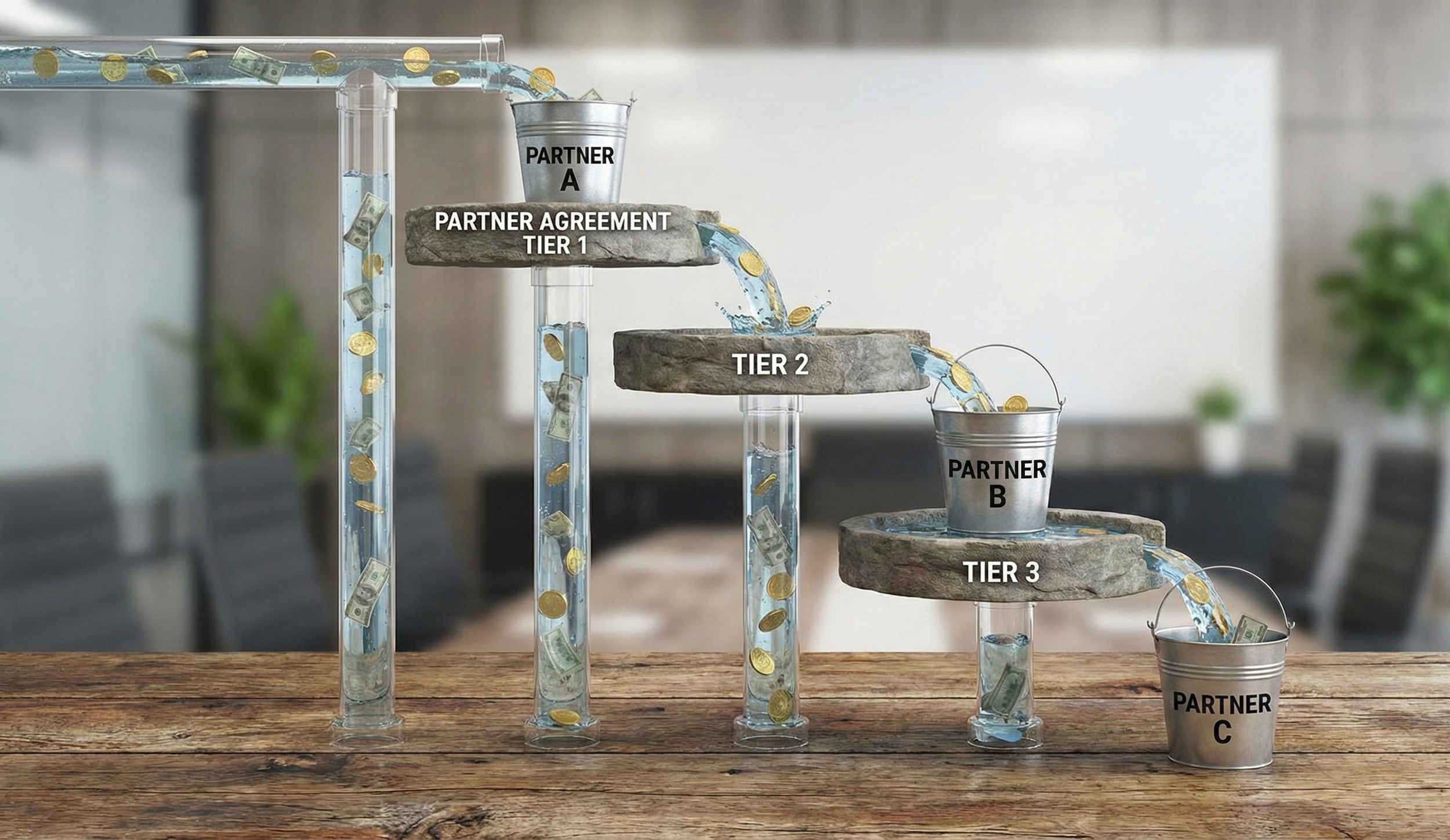
Partnership (Form 1065) Templates
Download professional Excel templates for Partnership Tax (Form 1065). Includes Targeted Capital Allocation waterfalls, Section 752 debt analysis, Section 743(b) basis adjustments, and Capital Account rollforwards. Standardize your Subchapter K workpapers today.

Corporate Tax (Form 1120 & 1120-S) Templates
Download professional Excel templates for Corporate Tax (Form 1120 & 1120-S). Includes S-Corp Shareholder Basis (Form 7203) calculators, Reasonable Compensation audit defense tools, and Corporate NOL Trackers. Ensure compliance for your corporate clients.
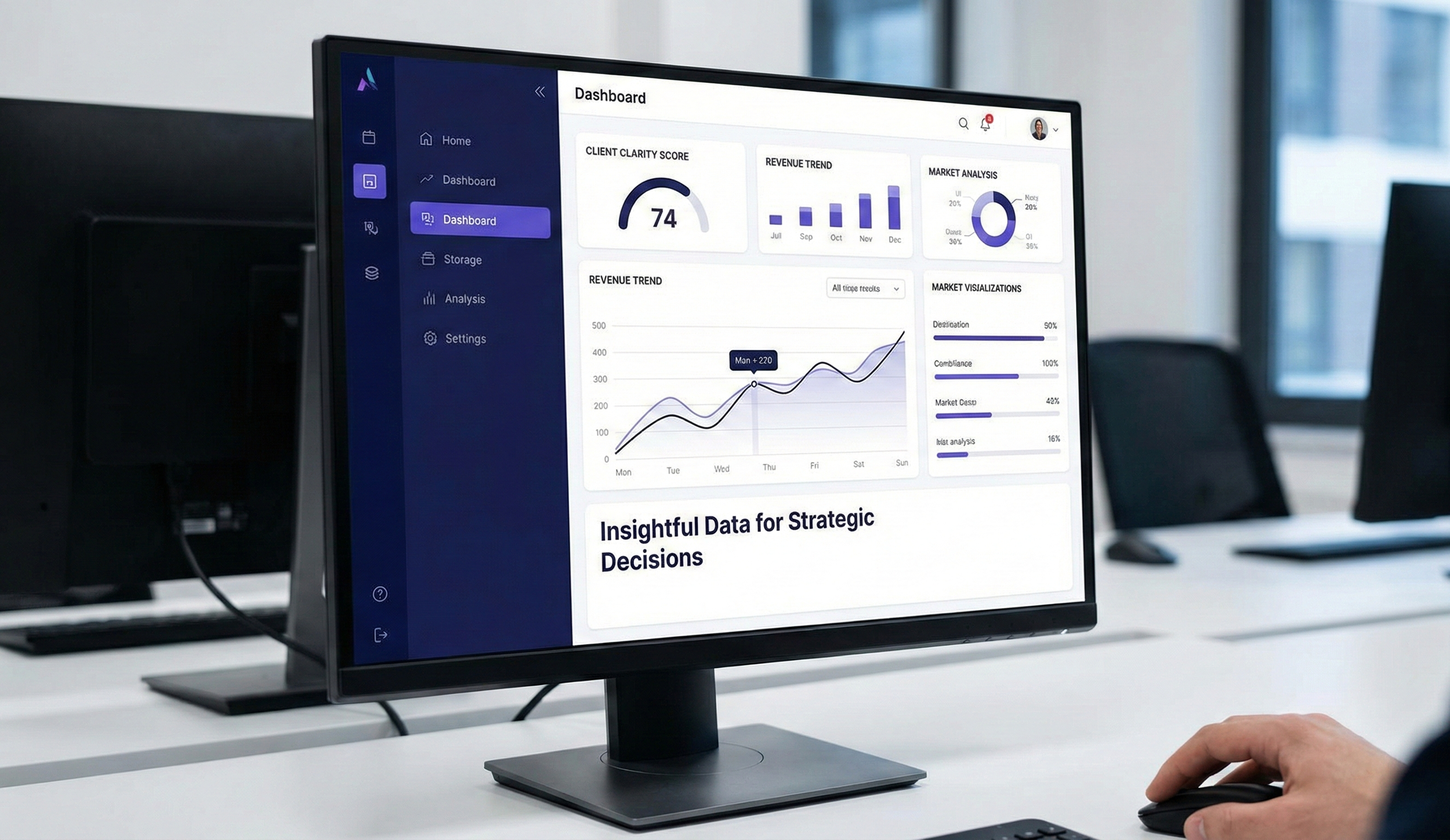
Individual Tax (Form 1040) Templates
Download professional Excel templates for Individual Tax (Form 1040). Includes the 'Four-Tier' Passthrough Loss Tracker (Basis, At-Risk, Passive, EBL) and the 1040 Analytical Review & Planner. Perfect for tax advisory and client presentations.
Master Subchapter K. Standardize Your Workpapers.
Partnership taxation is the most complex area of the Internal Revenue Code. While your tax software handles the forms, it often fails to handle the mechanics—the complex allocations, basis adjustments, and liability splits that happen "off-form."
This collection provides the specialized calculation engines you need to bridge the gap. From Section 704(b) Liquidating Waterfalls to Section 752 Debt Allocations and Section 743(b) Step-Ups, these tools replace ad-hoc spreadsheets with standardized, audit-ready workpapers.
What You Can Solve Here:
Allocations: Calculate economic effect using "Targeted Capital" logic (Waterfalls), not just percentages.
Liabilities: Run "Constructive Liquidation" simulations to allocate Recourse vs. Nonrecourse debt correctly.
Basis: Track 704(d) Outside Basis and handle the complex math of 743(b) step-ups (and step-downs).
Maintenance: Rollforward capital accounts and reconcile Book vs. Tax differences effortlessly.
Equip your firm with the tools to handle any operating agreement that comes across your desk.
Defend the Entity. Protect the Shareholders.
Corporate taxation requires a different mindset than partnerships. It isn't just about splitting the profit; it's about defending the structure. From the "Reasonable Compensation" audit trap to the strict ordering rules of S-Corp basis, the IRS is looking for maintenance failures.
This collection provides the compliance armor your corporate clients need. Whether you are managing complex Net Operating Loss (NOL) carryovers for a C-Corp or generating audit-proof salary documentation for an S-Corp, these tools turn vague regulatory requirements into concrete workpapers.
What You Can Solve Here:
S-Corp Basis (Form 7203): Automate the complex ordering rules of Reg. § 1.1367-1. Handle loss limits, nondeductibles, and debt basis restoration automatically.
Reasonable Compensation: Move beyond the "wild guess." Use the Wage Defender to calculate and document a defensible officer salary with Board Minutes.
Loss Attributes: Track Corporate Net Operating Losses (NOLs) across pre-2018 and post-2017 vintages with precision.
Distributions: Ensure distributions remain tax-free by tracking AAA and Shareholder Basis in real-time.
Move beyond the tax return. Build the permanent file that survives the audit.
Elevate the 1040. From Compliance to Advisory.
For many firms, the 1040 is a commodity—a race to the bottom on price. But for the modern tax advisor, the individual return is the roadmap to the client’s financial life. The challenge is extracting that value without spending hours in Excel.
This collection transforms your 1040 practice. Whether you are battling the complex "Four-Tier" loss limitation rules for a real estate investor or trying to explain a $5,000 tax increase to a confused client, these tools provide the structure you need. Turn the "commodity" return into a premium advisory deliverable.
What You Can Solve Here:
Complex Loss Tracking: Stop relying on software carryover worksheets. Track the "Four-Tier" Flow (Basis → At-Risk → Passive → Excess Business Loss) in a single, auditable dashboard.
The "Why" Question: Use the 1040 Analytical Review to generate a "Variance Bridge" that visually explains exactly why a client’s refund changed from last year.
Safe Harbor Planning: Instantly calculate required estimated payments to avoid underpayment penalties while projecting next year's liability.
Review & Quality Control: Standardize your review process to catch missed deductions and software entry errors before the return goes out.
Don't just give them a tax return. Give them clarity.